I was recently interviewed by the BBC about the use of AI-generated images in scam websites. The story followed reports that a small jeweller was being inundated with calls and emails from customers mistaking her legitimate business (Scarlett Jewellery) for a scam website with a very similar name (Scarlett Jewels).
One of the features of the scam website is that it uses AI-generated images. So, the reporter wanted to understand why scammers might use AI in this way and, most importantly, what customers can do, to avoid falling for such scams.
These are the clues that I shared with him.
Clue 1: Do not believe your eyes
When meeting the journalist, I started by demonstrating how easy, fast and inexpensive it is to produce similar images. For example, I generated the images below in a couple of minutes, using the prompt “Create an image of a middle aged, white woman, creating a piece of jewellery. the background should show displays of hand-crafted jewellry”. The one on the left was generated with the free version of ChatGPT, and the one on the right with Co-Pilot.

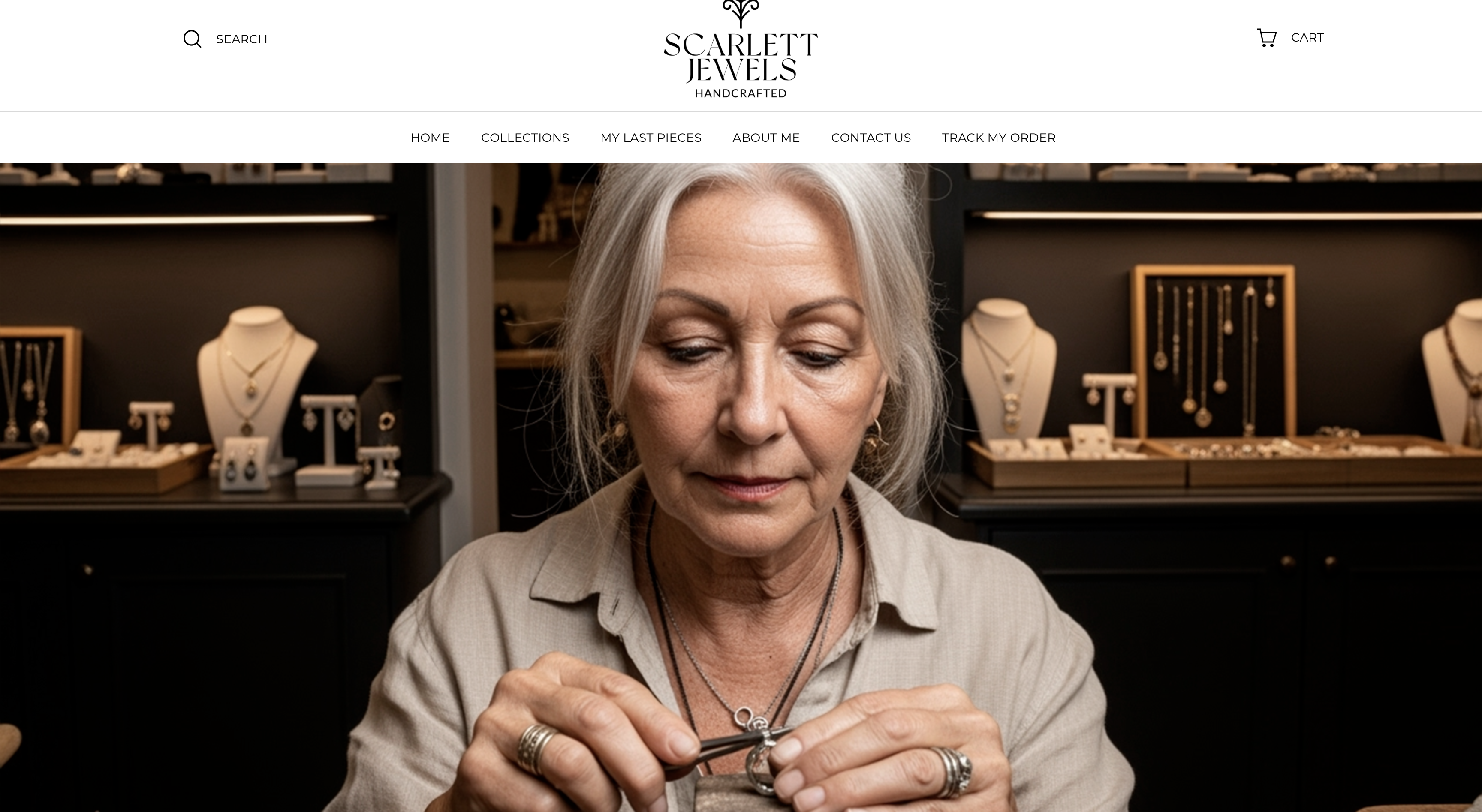
At the time of writing, there are two key signs that an image may have been generated with AI. The first is the “too perfect” quality. AI-generated images typically have a soft glow, faded background and flawless composition. You can see this in both the images used in the fake website (see below) and the ones that I created myself (above).
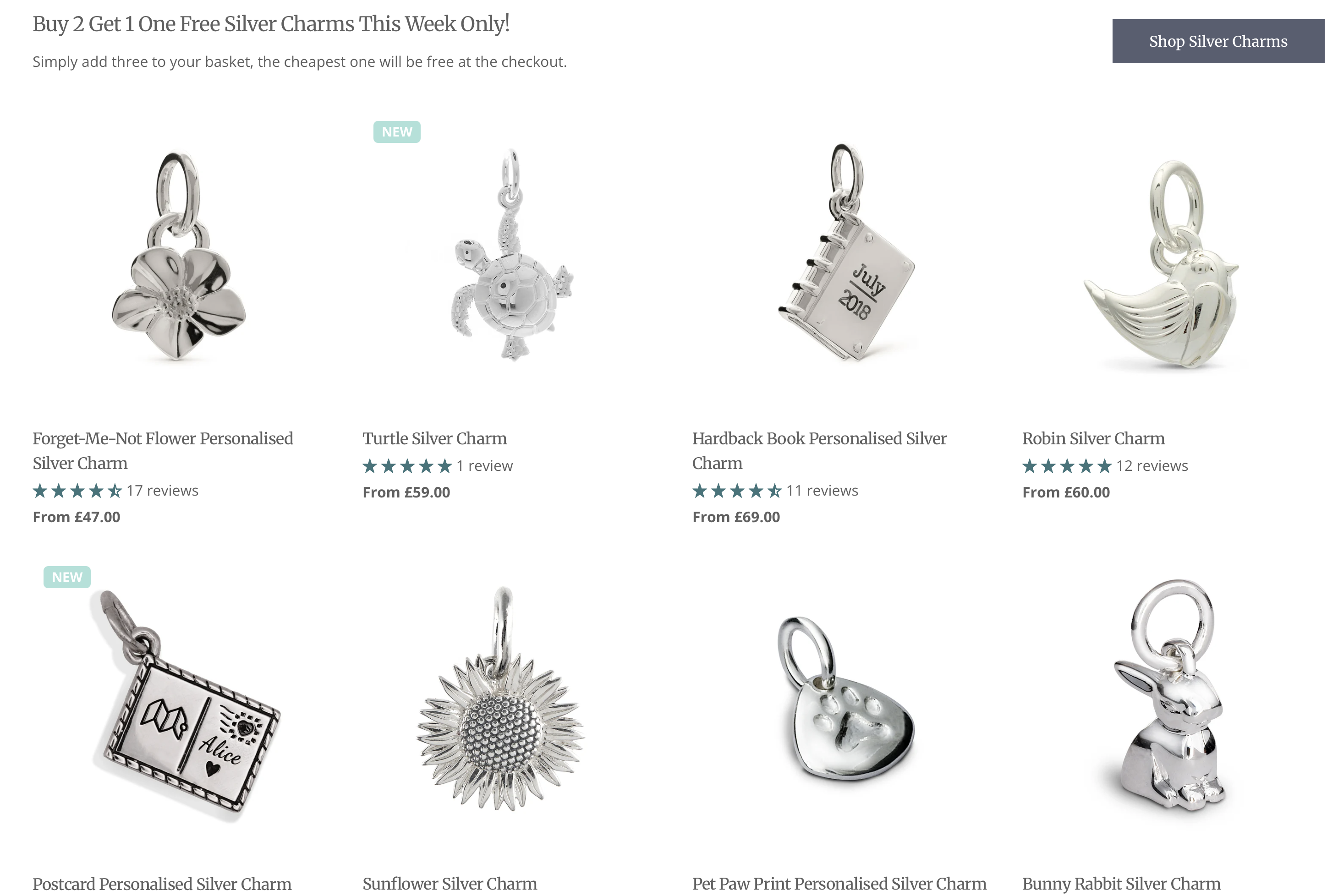
Of course, we could achieve this kind of result with photoshopping. However, most small business holders wouldn’t spend that sort of time or money on creating that level of polished images for their websites, as illustrated by this screenshot of the legitimate business’s website.
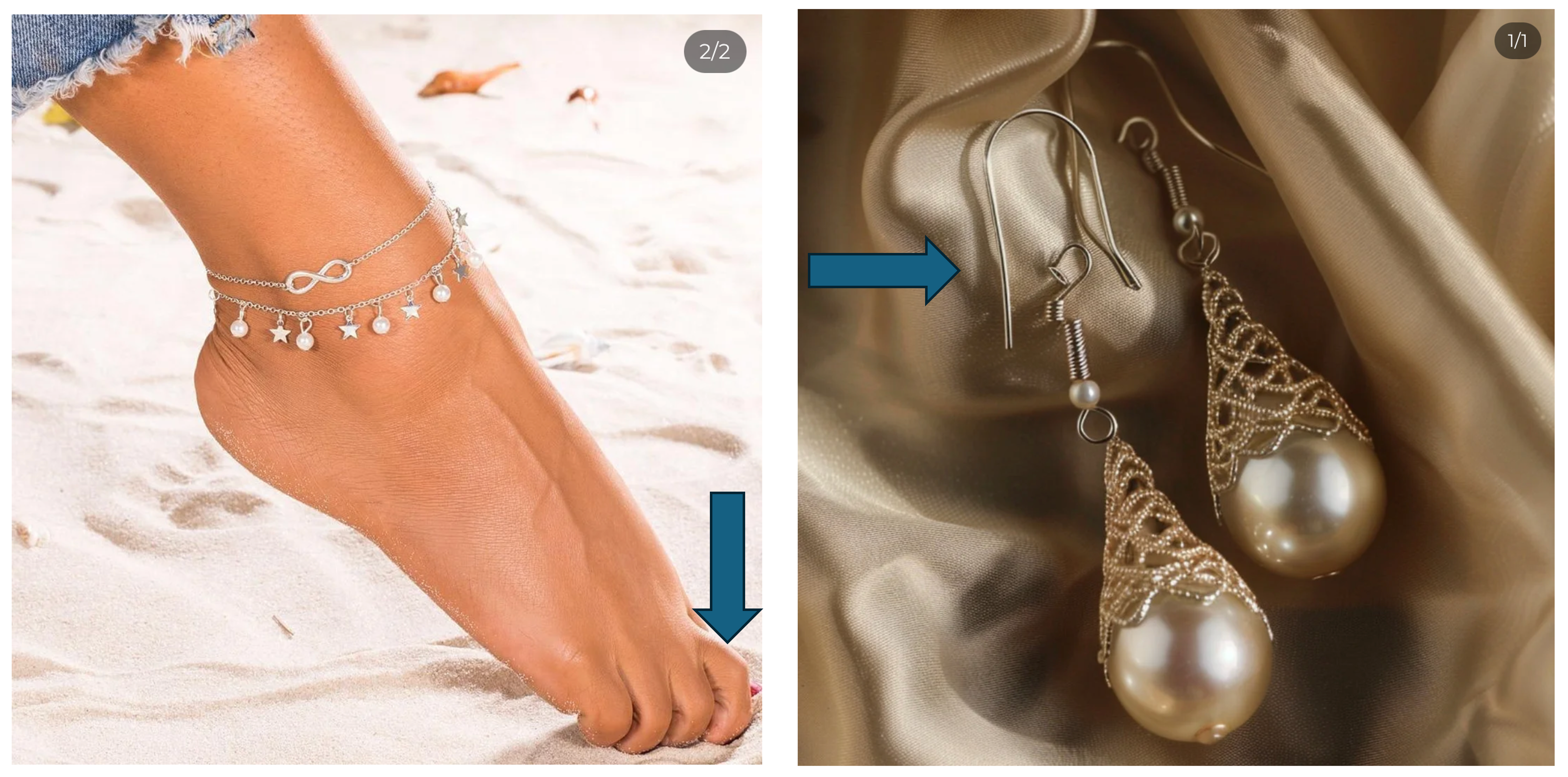
The second sign that an image is AI-generated is the opposite: obvious anatomic or functional mistakes. For instance, one of the images on the scam website has some anatomically incorrect toes, while another one shows earrings that would be impossible to wear.
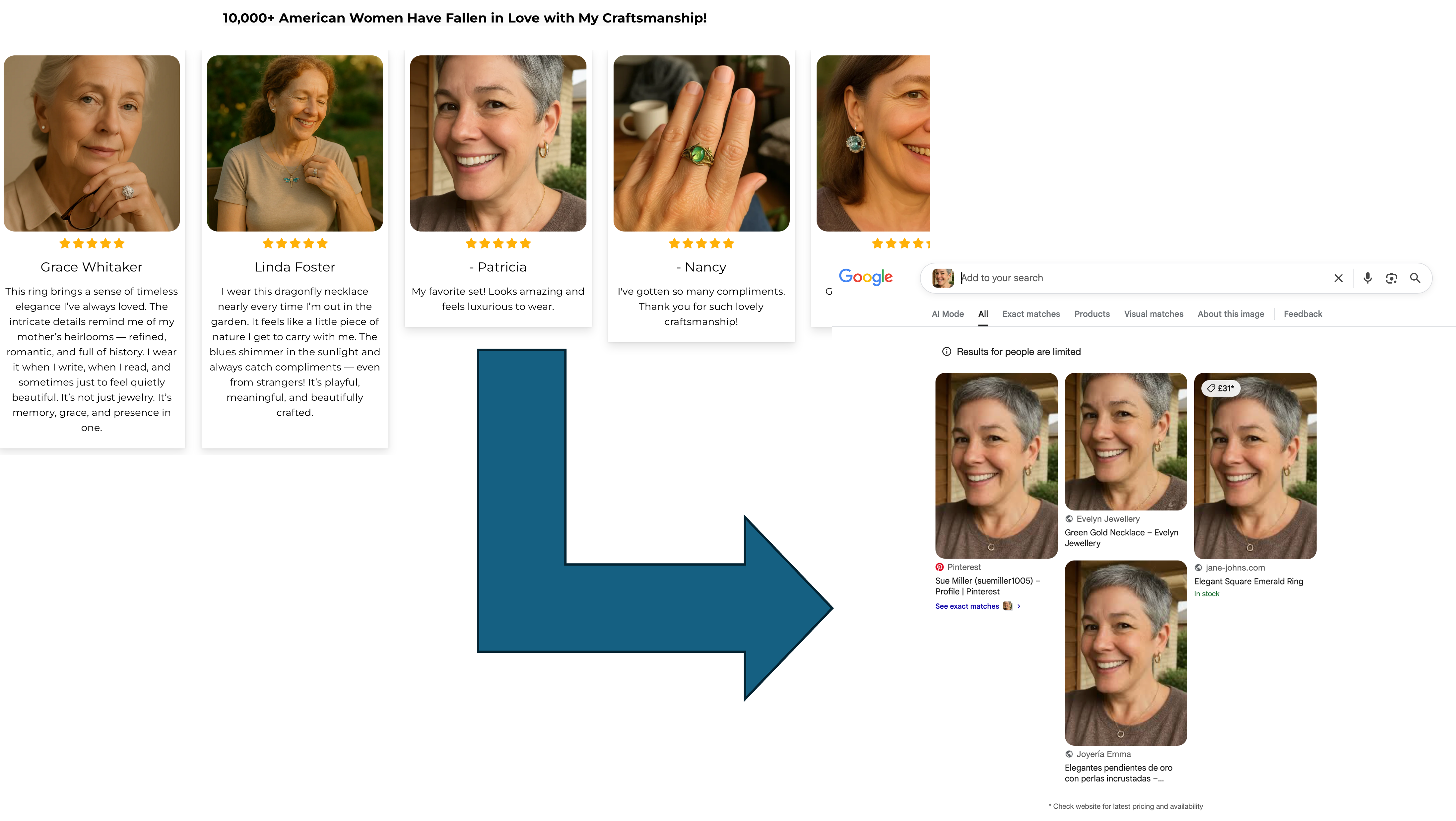
Scam websites also tend to use images stolen from other websites or from social media accounts. For those images that don’t look AI-generated, it is worth doing a reverse image search to see if the image is being used elsewhere. For instance, from the carousel of images of the supposed happy customers, there are some that very much fall into that first category of AI-generated images, but others that seem quite natural. So, I downloaded one of latter type of images, then uploaded it to the Google search browser, using the photo icon, and found it being used in several other websites.
Clue 2: Look for social proof
Most legitimate businesses, and certainly small ones, will have a social media presence to advertise – or even sell – their products. Though, the scam jewellery website had no social media at all. If there are social media links, you want to check when the social media account was created and what kind of comments people have left.
Likewise, you want to check review platforms such as Trust Pilot or Google Reviews. In this case, the reviews left on Trust Pilot are very different from the ones posted on the company’s website!

Clue 3: Beware of poor availability
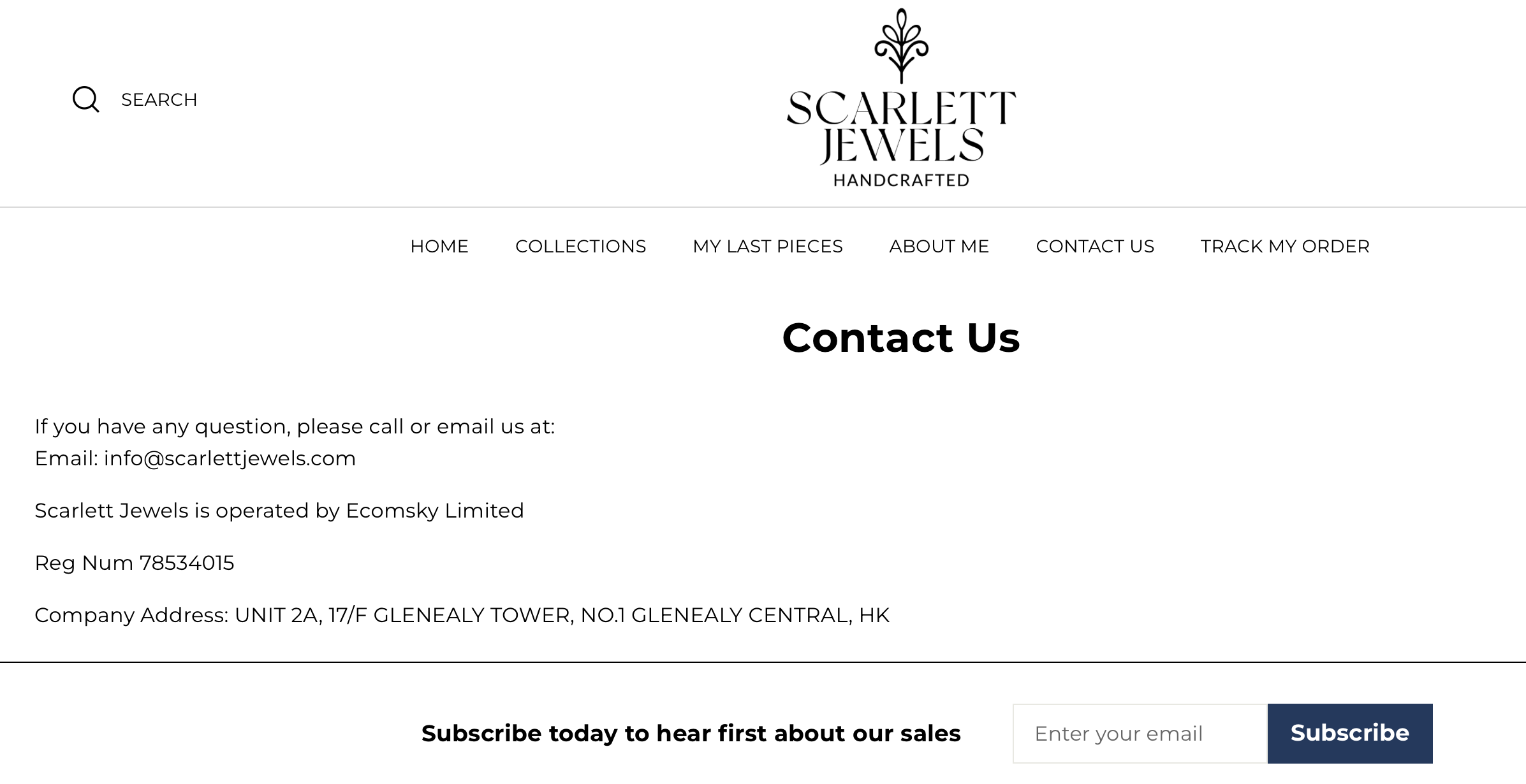
Legitimate businesses will, usually, make it very easy for potential customers to contact them. In addition to a website, there will also be an e-mail address and a phone number.
For extra reassurance, you can also paste the address provided on Google maps, and see whether that business actually exists at that address. In this case, what is supposed to be an American business oddly shows an address based in Hong Kong.
Clue 4: Beware of urgency
Scammers want us to act quickly. The faster we act, the more money they make before the scam is spotted; and the less time we have to do background checks (like checking the clues mentioned above) or ask questions. So, the biggest clue of all that someone is trying to scam you is that they will create a sense of urgency. They do that in two ways.
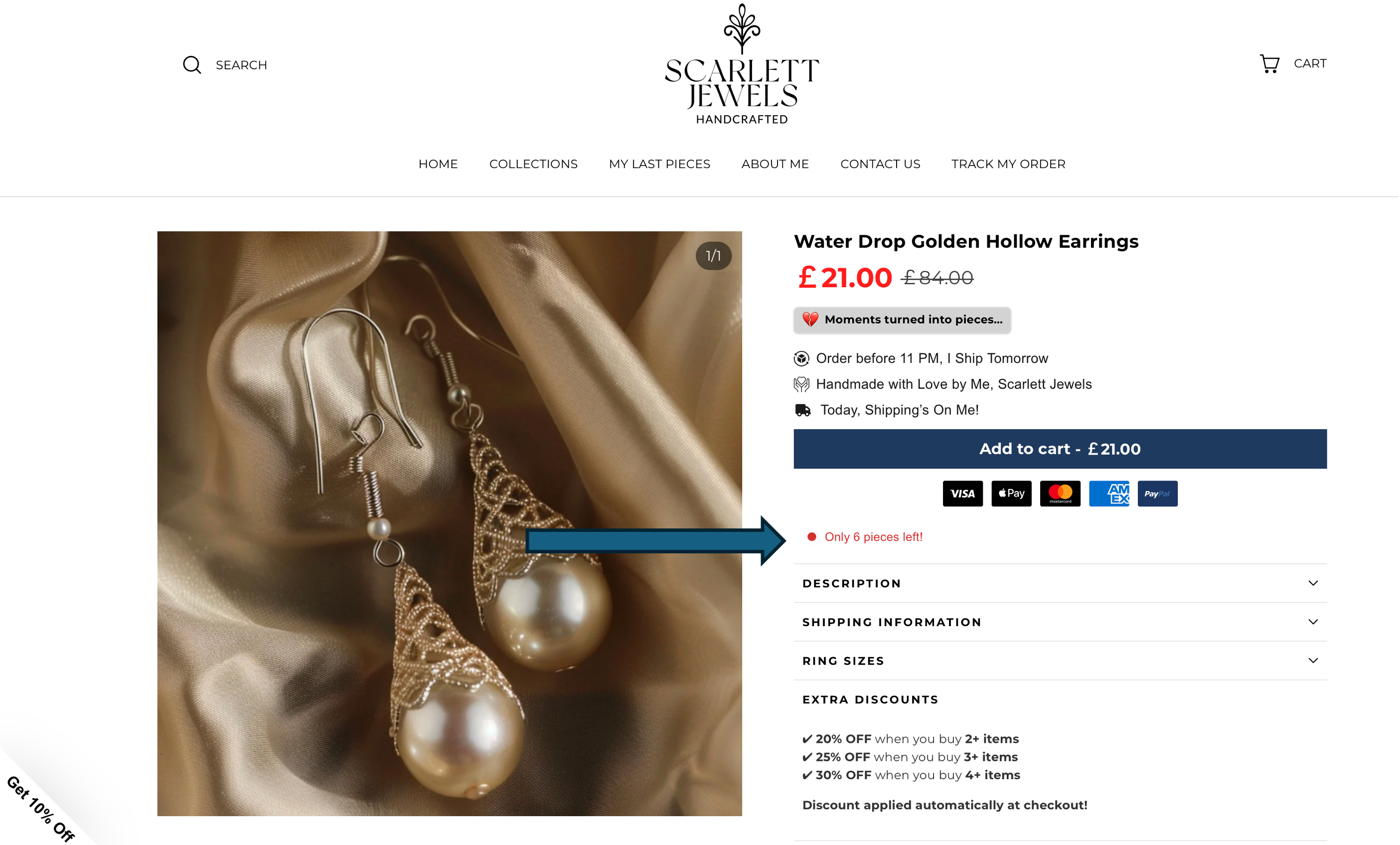
First, by claiming that there is an urgent deadline. For instance, in this case, the scammers say that the artisan is retiring and, thus, selling off everything at hugely discounted prices. Since the store is seemingly closing, potential customers need to act very quickly or miss out on the opportunity.

Second, by claiming that there is limited stock of the item that you are interested in. In this case, every page that I checked, on the fake website, announced that there were 6 items left.
Urgency is your biggest red flag. If it looks like you need to act now, or miss a great opportunity, it is worth pausing and do a few checks before you click.
A short clip from the interview was featured on BBC News, and another part appears here. But I’d love to hear from you: What clues do you look for, to spot online scams, especially as AI-generated content becomes more and more common?

 Ana Canhoto
One thought on “The Rise of AI-Enhanced Scams — and How to Protect Yourself”