Today’s post is a trip down memory lane.
I have recently read the book “MBA Day by Day: How to Turn Business School Insights into Real-World Excellence” by my former colleague Chris Dalton. The book reflects the architecture of an MBA, revisiting many of the “classics” of management education, such as SWOT analysis or the product life cycle. But, true to Dalton’s long-standing interest in personal development, it is complemented by a strong emphasis on reflection and personal growth.
This month, I am teaching on the MBA programme at University of Sussex. And, in a few weeks’ time, I will also be attending my 25-year MBA reunion at London Business School. Reading this book, while teaching on the MBA, prompted me to reflect about what has changed vs. has remained the same in the MBA programme, and about my own MBA journey.
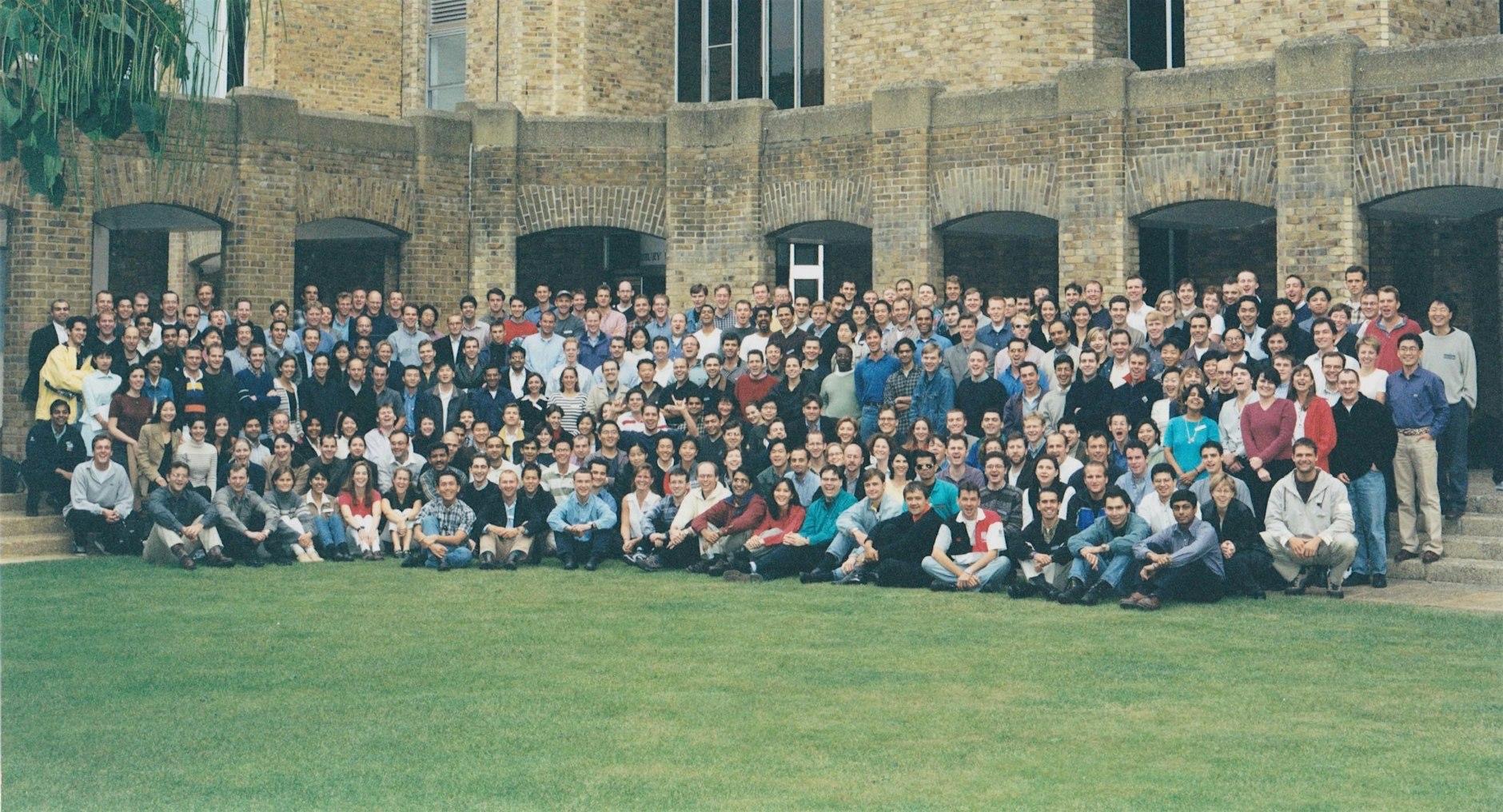
When I was doing my MBA 25 years ago, we were in the middle of the internet bubble. There were no touchscreens, and interactive TV was widely seen as a promising new technology. Today, we are in the middle of a different wave of excitement: AI. AI agents are the new frontier but, as before, it is difficult to predict which technologies will still matter in 25 years’ time. In that sense, the context has changed dramatically, but the questions remain largely the same.
While reading Dalton’s book, I recognised most of the frameworks from my own time as an MBA student. There are, of course, some shifts. For instance, there is now a much stronger emphasis on sustainability as a driver of business value, rather than something associated with a small number of visionary entrepreneurs like Anita Roddick. But the core of the MBA experience feels remarkably consistent: applying structured thinking to a variety of business problems.
I suppose that the similarity between the MBA 25 years ago and today is because the true value of an MBA is not in the models, but in the experience of being challenged by faculty, and, more importantly, by peers. [side note: one of my favourite quotes about education is Stephen Fry’s assertion that “Education is the sum of what students teach each other between lectures and seminars”]. For me, it was the social and intellectual friction of working through problems with people who saw the world differently that really helped me change from someone focused on having the right answers to someone who wants to ask better questions.
Looking back at your own career, what is the one thing that you once dismissed as a weakness only to realise, later, that it was the thing that made you a better leader?


