
According to a study conducted by Professor Vyv Evans for Talk Talk, 80% of UK people use emojis to communicate, with 40% saying that they had sent messages using only the famous icons. Emoji, the study claims, is the ‘fastest growing new language’.
Unsurprisingly, some brands have embraced the emoji trend, and started using the famous symbols in their campaigns and branding initiatives. For instance, Twentieth Century Fox used them in billboards to advertise the movie “Deadpool”.
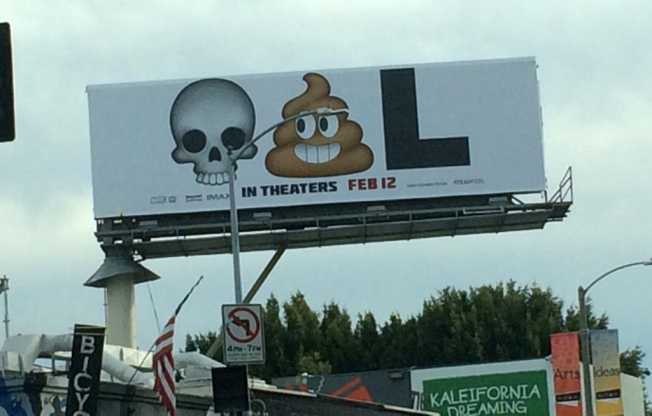
Image source: Adweek
Another favourite of mine is P&G’s #LikeAGirl campaign, proposing emojis that are representative of girls’ broad interests and activities.
Before you jump on the emoji bandwagon, though, you should take heed of another study. This one was done by researchers at the University of Minnesota, and found that there is quite a lot of potential for miscommunication, when using emojis.
Specifically, the study found that:
- Two people looking at the exact same emoji on the same smartphone platform can interpret that emoji quite differently.

Image source: grouplens
- Sending an emoji across smartphone platforms (e.g., from an iOS to an Android) changes its appearance, and this influences how positively or negatively people react to the emoji.


 Ana Canhoto
2 thoughts on “Using emojis in marketing can backfire”