
The paper that I am writing about, today, is one of those where the first time we read it, we think: “Well, that’s obvious.” The paper in question is entitled “Unpacking task-technology fit: how hotel booking mobile applications’ agility and resilience strengthen trust and stickiness” by Ferry Tema Atmaja, Lizar Alfansi, Effed Darta Hadi, Muhartini Salim and Abdul Razak Munir.
Atmaja and colleagues examined hotel booking apps and investigated how application characteristics influence the users’ tendency to continue using the same app over time (i.e., customer stickiness).
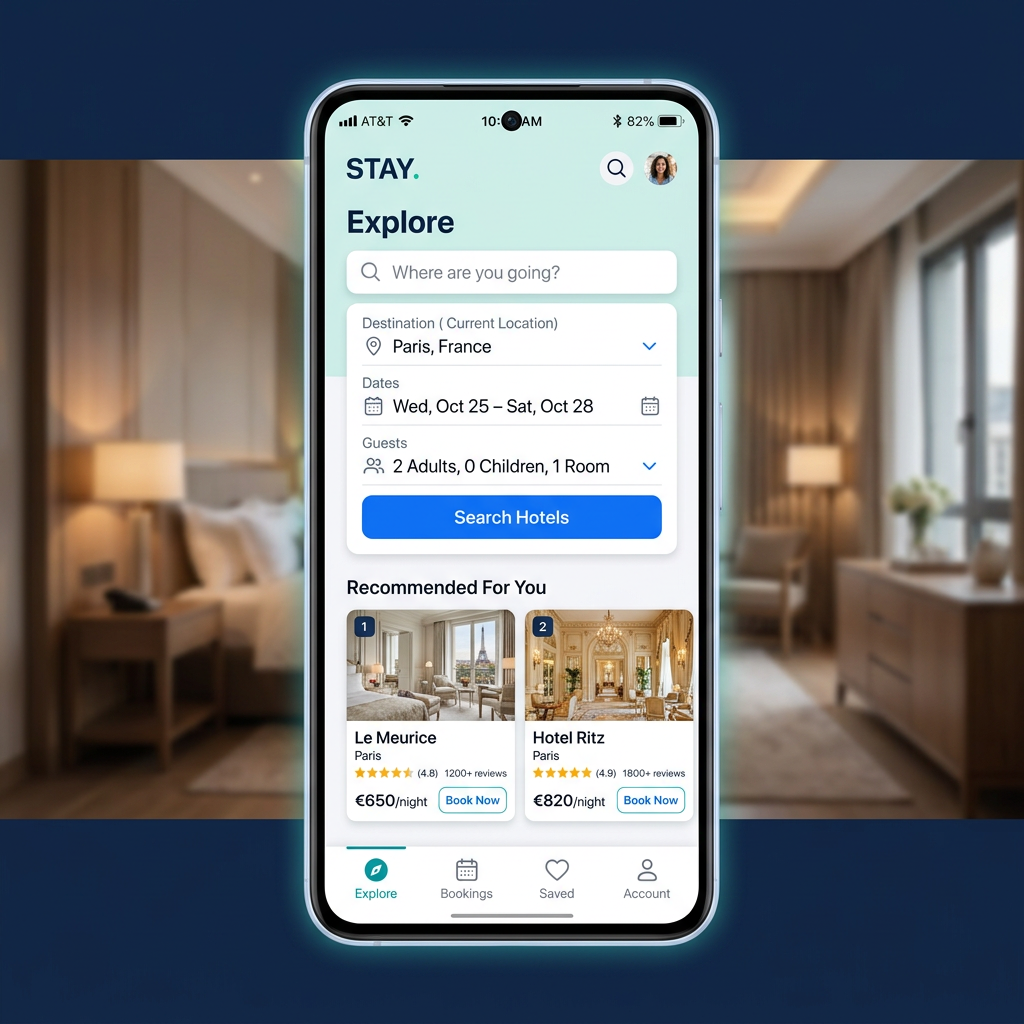
The primary finding is that users are more likely to perceive an app as suitable for the task they want to perform when it is responsive (agility) and capable of operating reliably under different conditions (responsiveness). Interestingly, agility had a stronger effect than resilience, suggesting that users notice and value responsiveness and adaptation more than stability.
But, in addition to this seemingly obvious result, the authors show that when users perceive a strong alignment between the app and their task, they are more likely to view the app as reliable and dependable. This trust then reinforces continued usage. That is, task–technology fit influences stickiness both directly, by making tasks easier to complete, and indirectly, by increasing trust in the application.
Another interesting finding from Atmaja and colleagues’s study is that, even when an app fits the user’s task well, this fit does not automatically translate into trust. For that to happen, users must also feel that the information they receive helps them make better decisions. The authors refer to this feature as “diagnosticity”. When diagnosticity is high, task–technology fit has a much stronger effect on trust; when diagnosticity is low, even a well-designed app may struggle to earn users’ confidence.
So, what does this all mean?
In practical terms, this means that a mobile app can be technically excellent and still fail if users cannot see how it helps them make sense of their choices. So, organisations should focus on two things simultaneously:
- ensuring that digital services are responsive and reliable
- providing information that helps users make confident decisions
So yes, the headline finding for this paper may seem obvious: people keep using apps that help them get things done. But, in my view, the real value of this paper lies in explaining why this apparently obvious outcome happen. Namely, it shows that app responsiveness and reliability create perceptions of fit, fit builds trust, and trust is strengthened when users feel that the app helps them make better decisions.


